Mokhlis Al-Qassem is a 52-year-old man living in Saudi Arabia. After watching one of our videos about Retroperitoneal Fibrosis (RPF), he recognized his own journey in it and reached out to share his experience. Below, he walks us through his path from unexplained symptoms to diagnosis, treatment, and recovery, including specific details from his medical records. He hopes his story will help other patients, and physicians, recognize this rare and often delayed diagnosis sooner.
We are deeply grateful to Mokhlis for reaching out and for generously sharing his journey with us.
What Were Your First Symptoms of RPF?
My journey began with unexplained abdominal pain of unknown origin. Because I had previously undergone bilateral hernia surgeries, many doctors initially assumed the pain was related to those procedures.
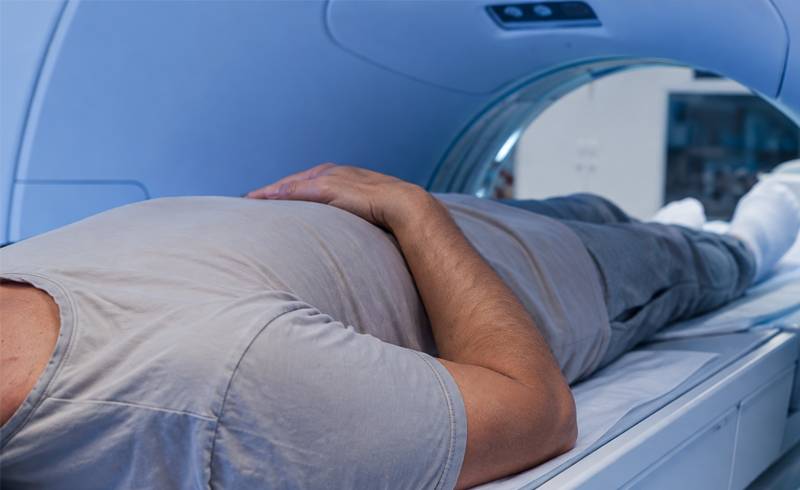
My initial visits were to Dr. Sulaiman Al Habib Hospital, widely regarded as one of the highest-quality hospitals in Saudi Arabia, equipped with the most advanced imaging technology and highly experienced physicians. I saw several specialists there, starting with general surgeons and then vascular specialists, and I visited the emergency department one time due to pain on the side of my abdomen. On all occasion, ultrasound, CT, and MRI scans were performed. Something abnormal was visible on the imaging, yet even with this exceptional level of medical care and technology, none of the physicians raised the possibility of Retroperitoneal Fibrosis. The diagnosis remained unclear for a long time, which caused significant anxiety and frustration, and it illustrates just how elusive this disease can be, even in top-tier facilities.
How Was Your Retroperitoneal Fibrosis Finally Diagnosed?
Everything changed when I developed severe right flank pain and was admitted to the emergency department at the Specialized Medical Center Hospital (SMC Healthcare) in Riyadh. A CT KUB showed right hydronephrosis with a retroperitoneal mass, and the initial differential included both fibrosis and malignancy. The case was referred to the Urology Department, and by chance, the regular consultant was unavailable that day, my case was handled instead by a Syrian specialist physician, Dr. Maher Muad. Dr. Maher Muad immediately suspected Retroperitoneal Fibrosis and diagnosed the condition without difficulty. A CT scan with contrast confirmed a retroperitoneal mass measuring 149 x 50 x 35 mm, extending from the level of the renal region down to the upper pelvis, encasing the aorta, IVC, and proximal iliac vessels, findings highly suggestive of retroperitoneal fibrosis. Bilateral renal cysts and mild right hydroureteronephrosis were also noted. A double-J (DJ) ureteral stent was inserted and successfully removed after three months. An IgG4 level was also checked (4.5) at this stage to help rule out IgG4-related disease as an underlying cause. Dr. Maher Muad's clinical insight and prompt recognition of this rare disease were truly exceptional. I am deeply grateful to him for his expertise, accuracy, and the clarity he provided at a critical moment, his diagnosis allowed treatment to begin without further delay and significantly changed the course of my illness.
How Was Your RPF Treated?
I was started on high-dose Prednisone (50 mg daily) in April 2025. The response was excellent: a follow-up CT scan showed good regression of the fibrosis, with the lesion thinning to an average thickness of about 7 mm and extending from the infrarenal region down to the iliac bifurcation. Hydronephrosis resolved and kidney function improved significantly. Prednisone was gradually tapered over the following months, reaching 10 mg daily by February 2026. During this period, I also experienced steroid-related side effects, including hypertension and hyperlipidemia (managed with Coversyl 5 mg daily and Roneza/Atozet 40/10 mg), as well as a possible benign intracranial pressure concern that required neurology evaluation.
How Was Your RPF Diagnosis Confirmed?
After nearly a year on Prednisone, Dr. Maher Muad referred me to Rheumatology, under the care of Dr. Nouf Al-Hammadi, to confirm the diagnosis more definitively, since no biopsy had been performed early on. Dr. Nouf noted that my strong response to Prednisone and the successful stent removal were reassuring signs supporting the fibrosis diagnosis. She proceeded with a pre-biologic workup, including complement levels and a repeat IgG4 level, and started me on Mycophenolate (Myfortic, 1 g daily) as a steroid-sparing agent, with close clinical and laboratory follow-up and yearly CT imaging planned. I also completed a 10-day course of INH (isoniazid) as precautionary TB prophylaxis before beginning the immunosuppressant, and I underwent neurology evaluation for the possible benign intracranial hypertension. Prednisone continued to be tapered during this phase, alongside ongoing management of Vitamin D deficiency and GERD.
How Are You Doing Today After RPF Treatment?
As of July 2026, I remain stable on Mycophenolate. Prednisone was completely stopped in May 2026. My kidney function is excellent (eGFR 94), my lipid profile has improved markedly, and inflammatory markers are well controlled. I am no longer on Prednisone or blood pressure medication.
The main ongoing issues are mild morning muscle and joint discomfort related to low Vitamin D, and intermittent skin itching that appeared after starting Mycophenolate. I continue regular monitoring and Vitamin D supplementation.
My experience highlights the challenges of delayed diagnosis in RPF, even at hospitals with the best available technology and specialists, and underscores the importance of clinical suspicion, a coordinated multidisciplinary approach (urology, rheumatology, and neurology in my case), and the life-changing impact of an accurate, timely diagnosis. I remain especially thankful to Dr. Maher Muad for his pivotal role in identifying the disease early, and to Dr. Nouf Al-Hammadi for her thorough follow-up work in confirming the diagnosis and guiding my long-term treatment.
I hope sharing this journey, along with the specific clinical details, can offer hope, awareness, and practical insight to other patients and families dealing with RPF, and perhaps help raise awareness among physicians about recognizing this condition earlier, even when imaging appears inconclusive at first glance.